Fabric Selection
How to Select the Right Fabric for Lightweight Outdoor Jackets
Learn how yarn size, fabric density, coating and water-repellent finishing affect comfort, weight and durability.
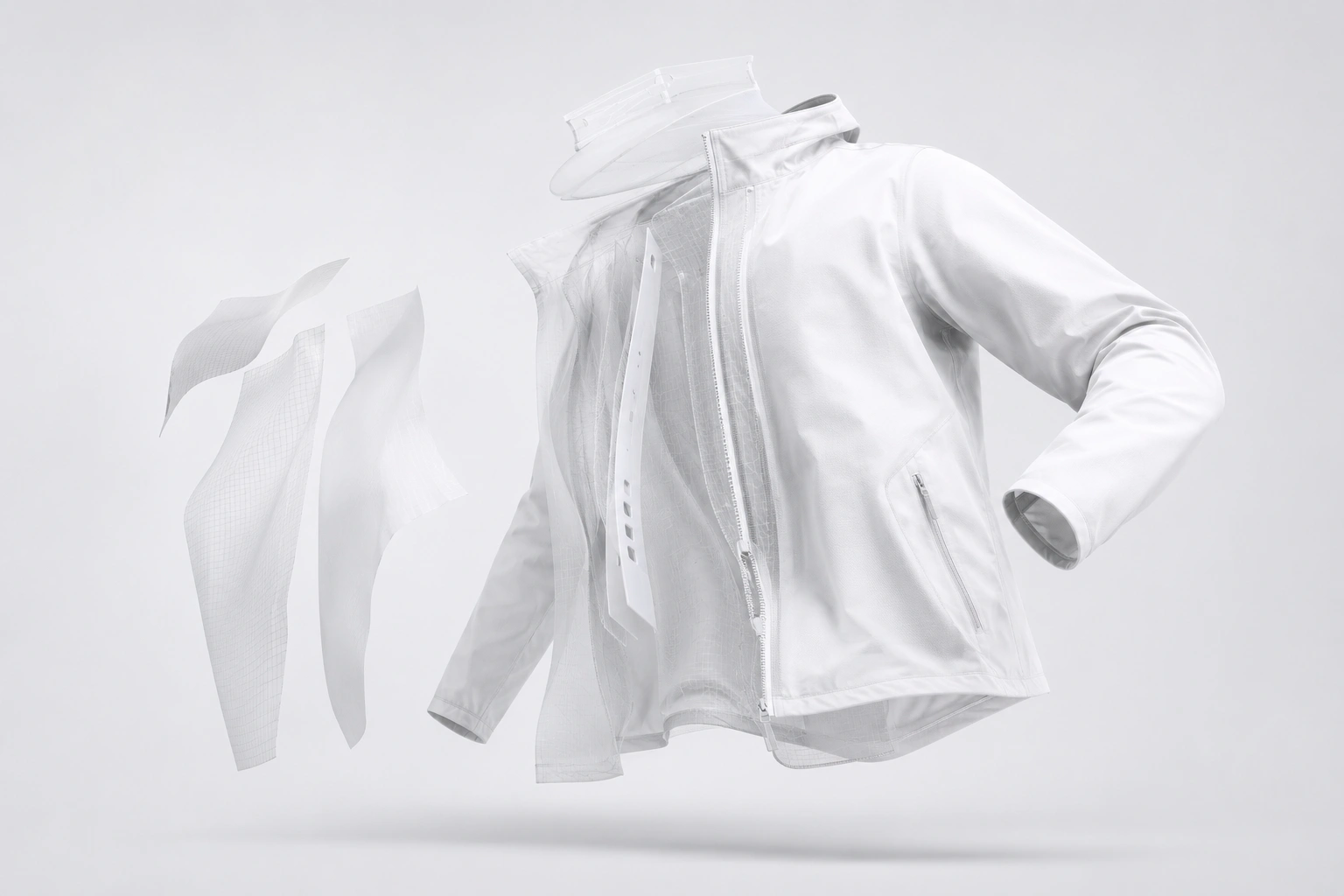
What to Look for in Lightweight Jacket Fabric
Lightweight performance fabric is a balance between low mass, usable tear strength, hand feel, weather protection and production stability. Review yarn size, fabric density, width, construction and finishing together rather than selecting on GSM alone.
Construction and density
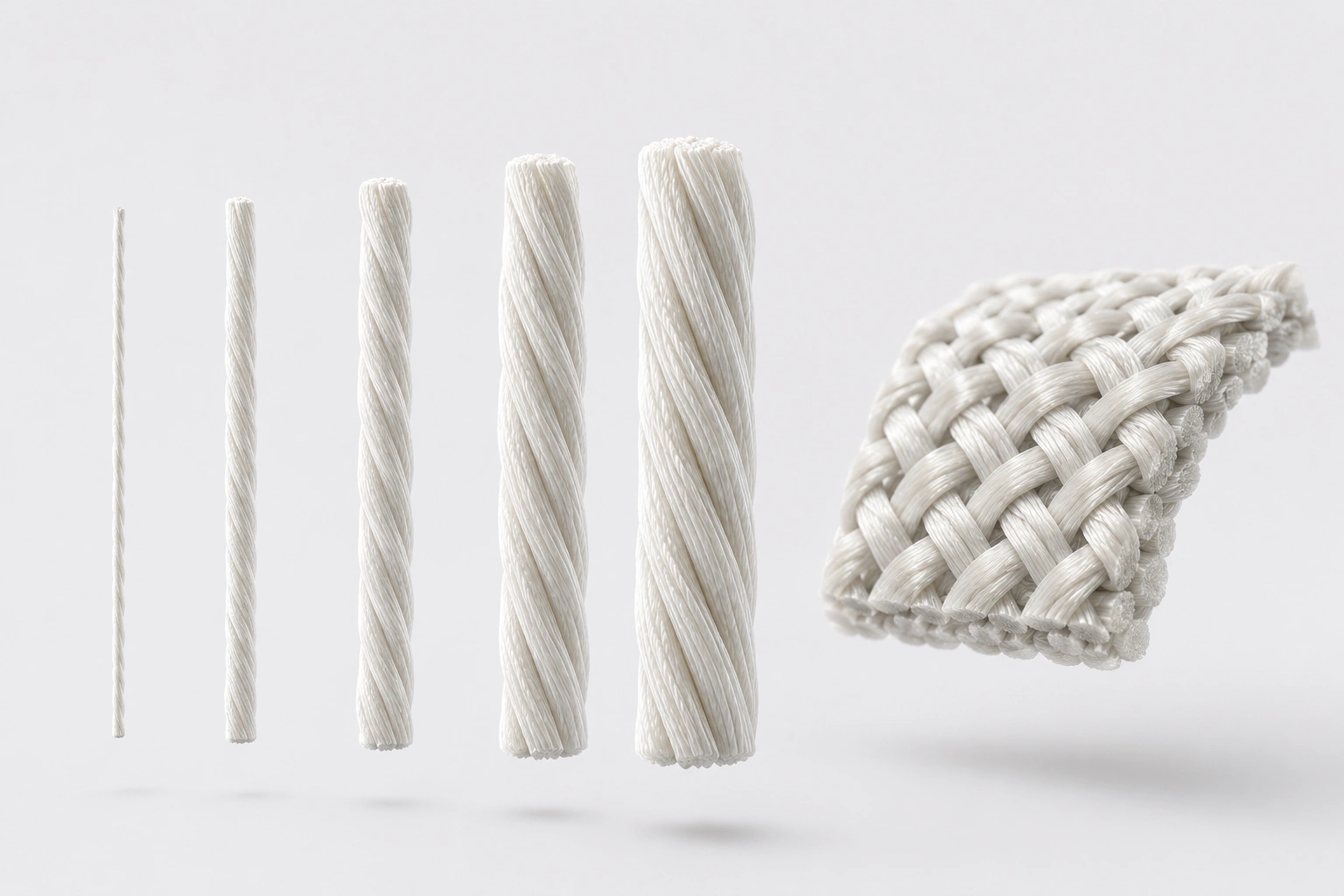
Fine yarns and a compact weave can support a clean surface and down-proof development. Ripstop, taffeta, pongee and dobby structures each create a different balance of drape, visual texture and durability.
Finishing and performance
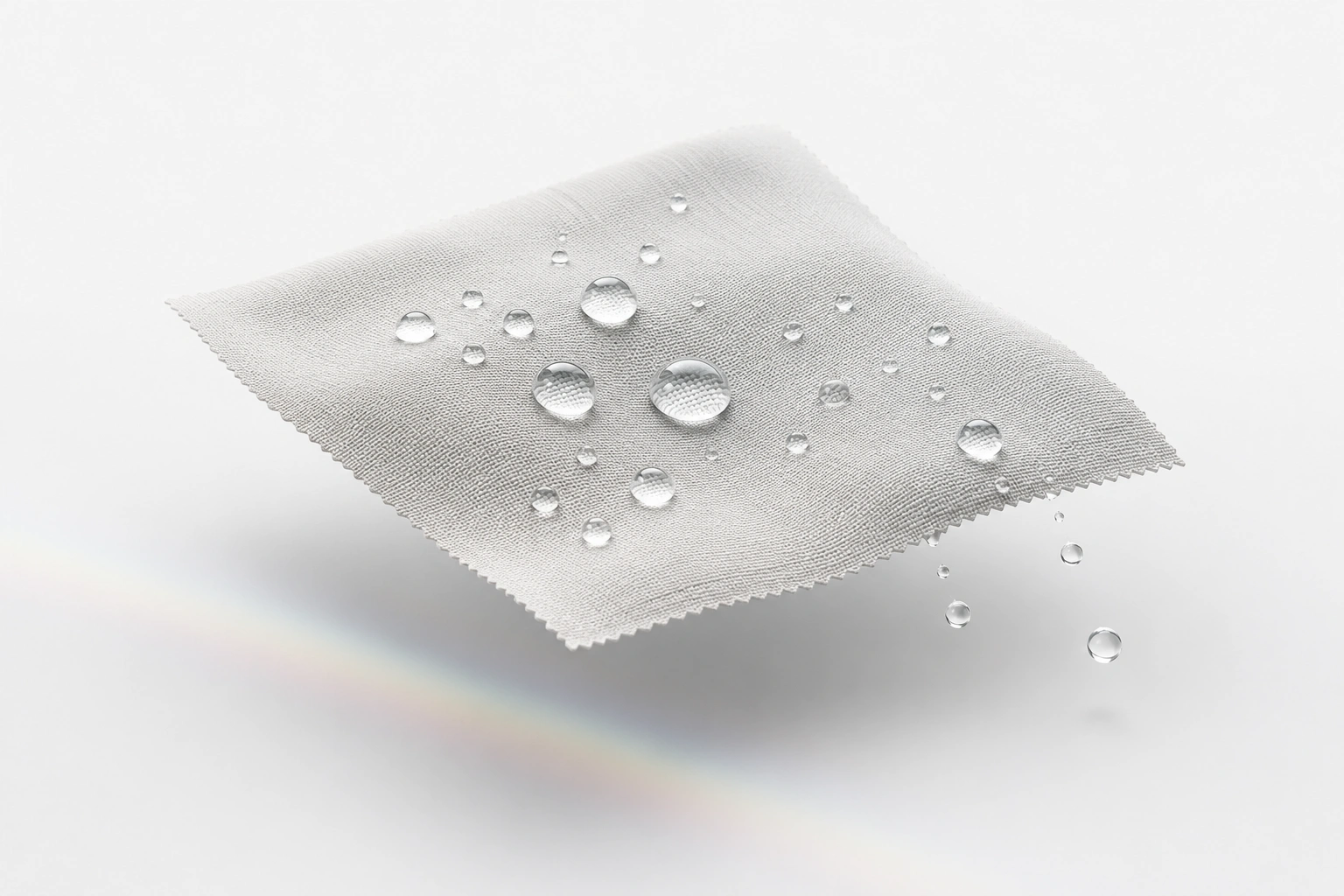
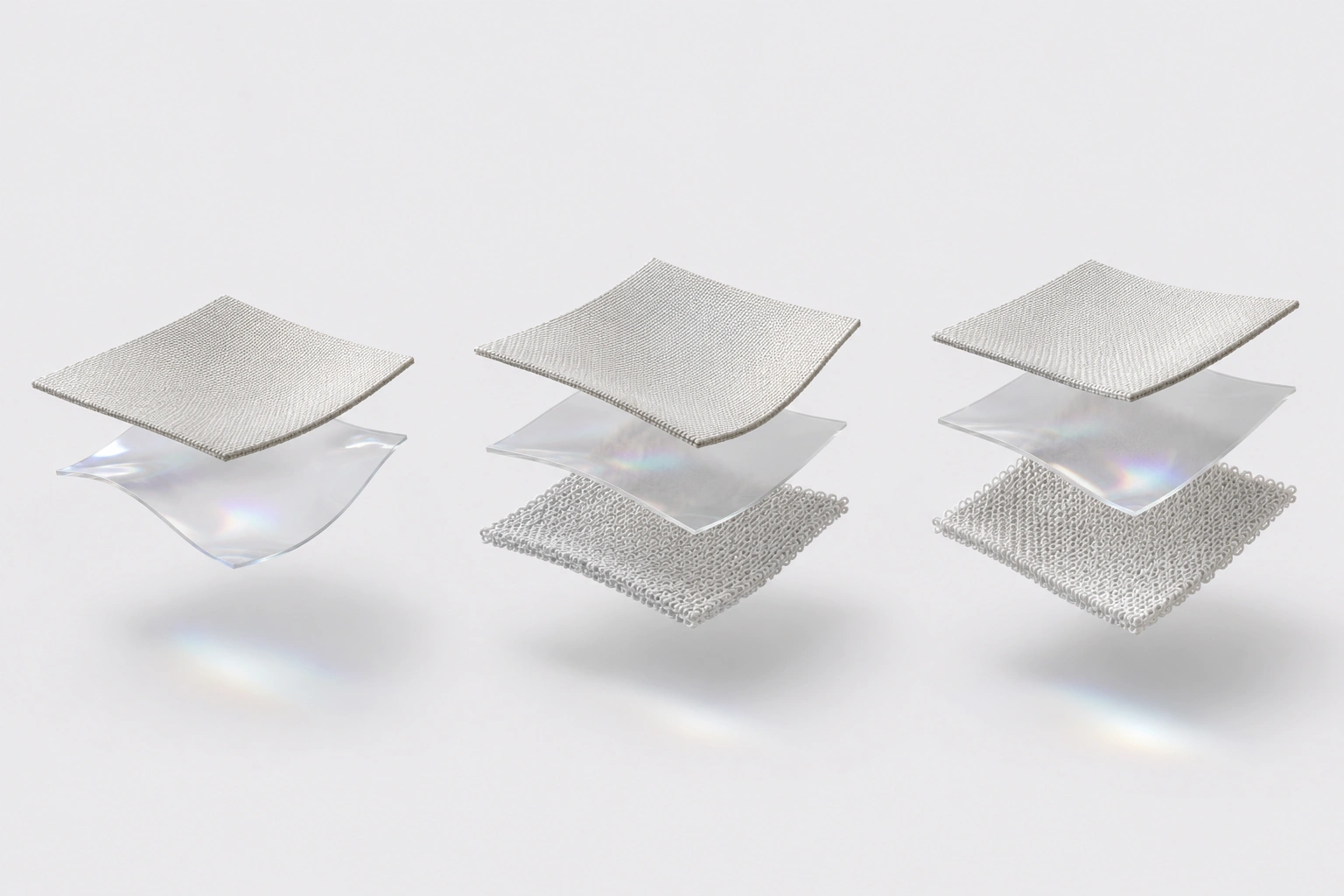
Water-repellent finishing helps droplets bead on the surface, while coating or lamination is used when a higher level of weather protection is required. Final performance should be confirmed with testing and sample approval.
Application Comparison
| Application | Typical weight | Construction | Development focus |
|---|---|---|---|
| Packable windbreaker | 45–70 gsm | Fine plain weave or ripstop | Low weight with tear strength |
| Light padding jacket | 55–90 gsm | Taffeta or pongee | Soft hand and stable quilting |
| Outdoor shell | 80–150 gsm | Ripstop, dobby or stretch weave | Weather protection and abrasion balance |
Buyer Inquiry Checklist
Include the target application, composition, yarn size, width, weight, finishing, color, testing requirement and estimated order quantity to make the first recommendation more accurate.
- Target application and garment construction
- Composition, yarn and target width
- Weight, color and required finishing
- Testing requirement and estimated quantity